
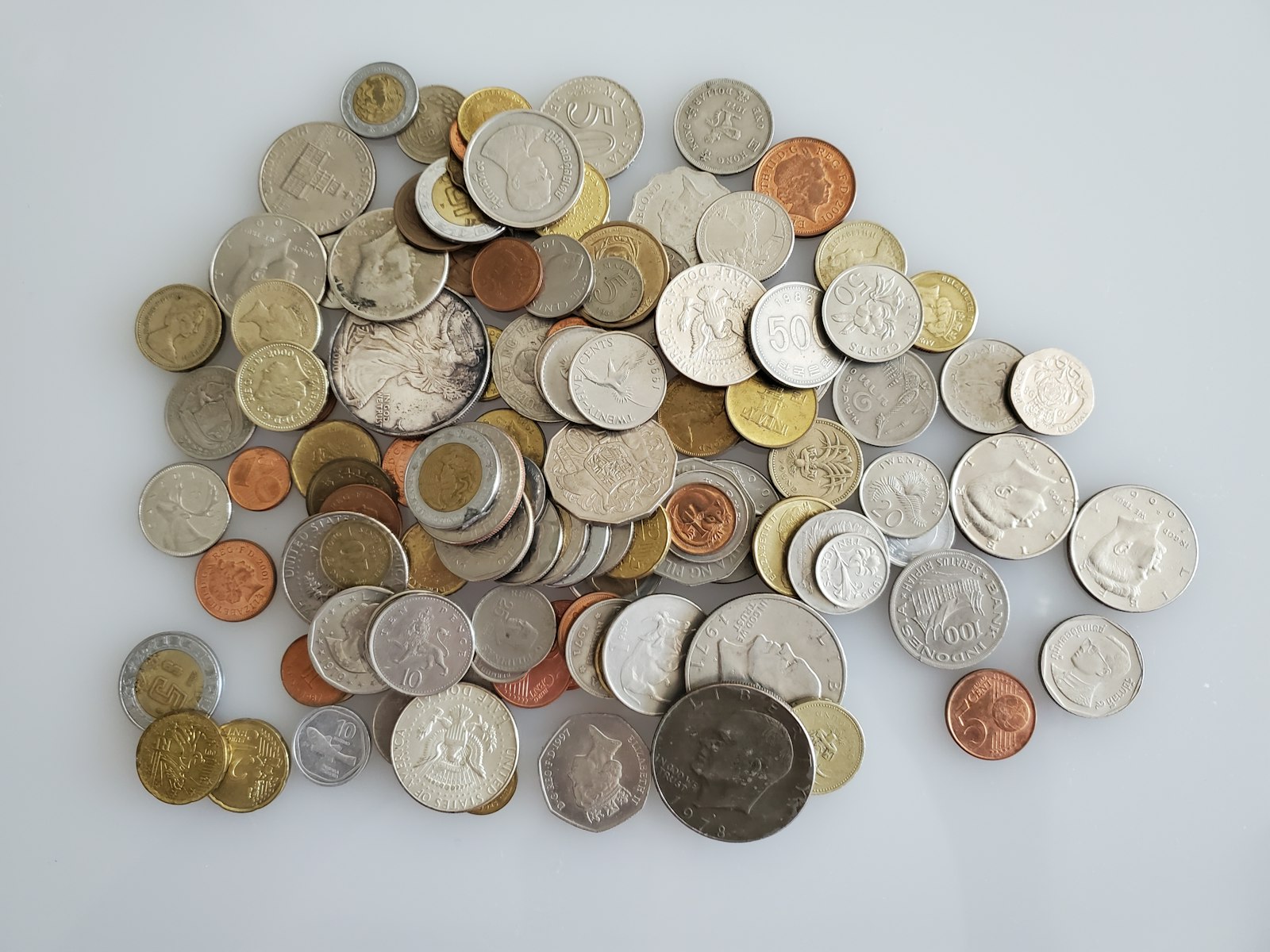
A coin may have a value of 10p, £1 or £2. However, for a coin collector, the value of a coin is often significantly higher than its monetary value.
In short: Age aside, coins can be worth more than face value. In this article we look at five factors that influence the value of a coin: how few were made/survive, the condition of the coin, minting errors and unusual design details, connection to important monarchs/periods/events and also collector demand. The value of a coin at auction does not always depend on age and rarity.
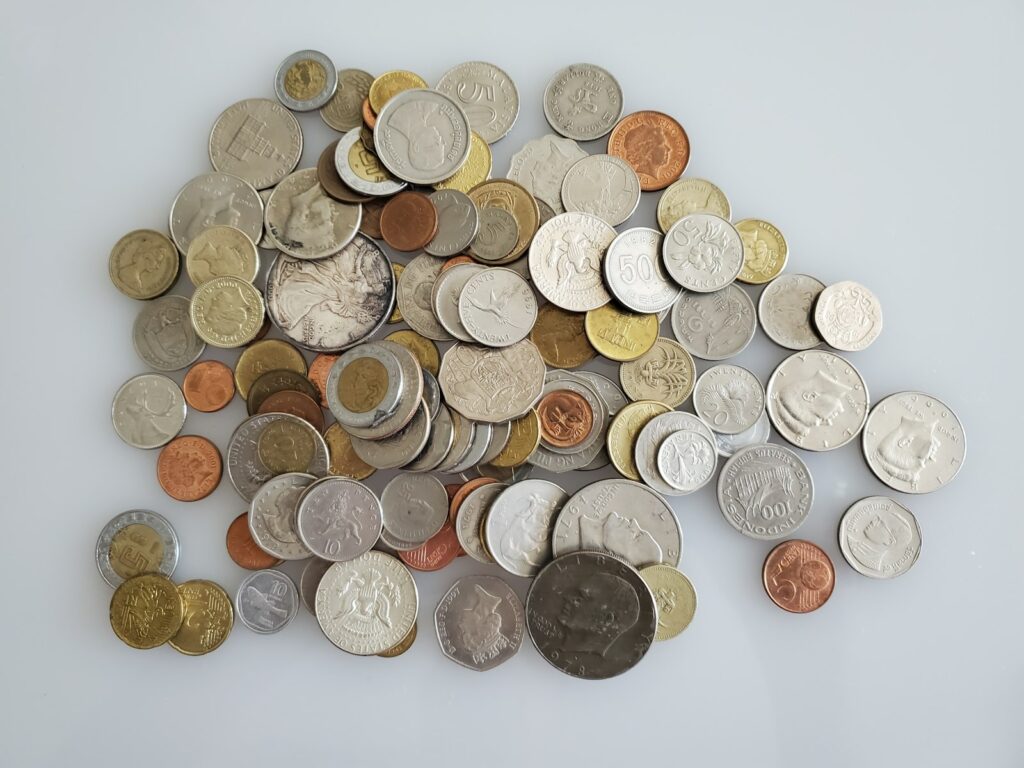
Photo by Kevin Dunlap on Unsplash
The answer to this question is rarely as simple as the age of the object in question.
Rarity
One factor that contributes to the rarity of coins is the limited number of coins that were produced of a particular type. Coins that were produced in small numbers are often sought after by collectors who want to own one of these rare coins. Also, some coins have become scarce as a result of the loss of those coins over time.
Condition
In addition to the type of coin, the condition of the coin can also play a role in determining its value. Coins that are well-preserved with no signs of wear are typically of greater value than those that have been worn over time. However, even coins that are worn may be of interest to collectors who appreciate their historical importance or unique features.
Minting Errors
In addition to the value of the metals that make up the coins, errors in the minting of coins can also increase their value. These errors may include unusual details in the design. For Coin Auctioneers, visit https://www.hoskerhaynes.com/
Historical Connections
Some coins are connected to important periods in history, monarchs or events, which can give them a certain appeal to collectors that goes beyond their monetary value. These coins allow collectors to feel as though they are holding onto a small piece of the past.
Collector Demand
The demand for coins can also have an impact upon their value. While the coin may not be old or rare, the demand for it from collectors can drive up the price that it sells for at an auction.
These hidden values are what makes collecting coins so fascinating to many people.
Related reading: Collecting Coins from the Roman Empire
FAQs
Should I clean an old coin before selling it?
No. Cleaning, polishing or using chemicals can scratch a coin and strip its original surface, and this usually lowers its value to collectors. Handle coins by the edges and leave any cleaning decisions to a specialist.
How is a coin’s condition described?
Collectors use grades. In the UK these run from terms such as Fine and Very Fine through Extremely Fine to Uncirculated, describing how much wear the design shows. Two coins of the same type can sell for very different prices depending on their grade.
How do I find out what my coin is worth?
Start by identifying the coin’s date, denomination and any mint mark, then compare recent sold prices rather than asking prices. For anything that looks unusual or valuable, a dealer or auction house that specialises in coins can give a proper valuation.