
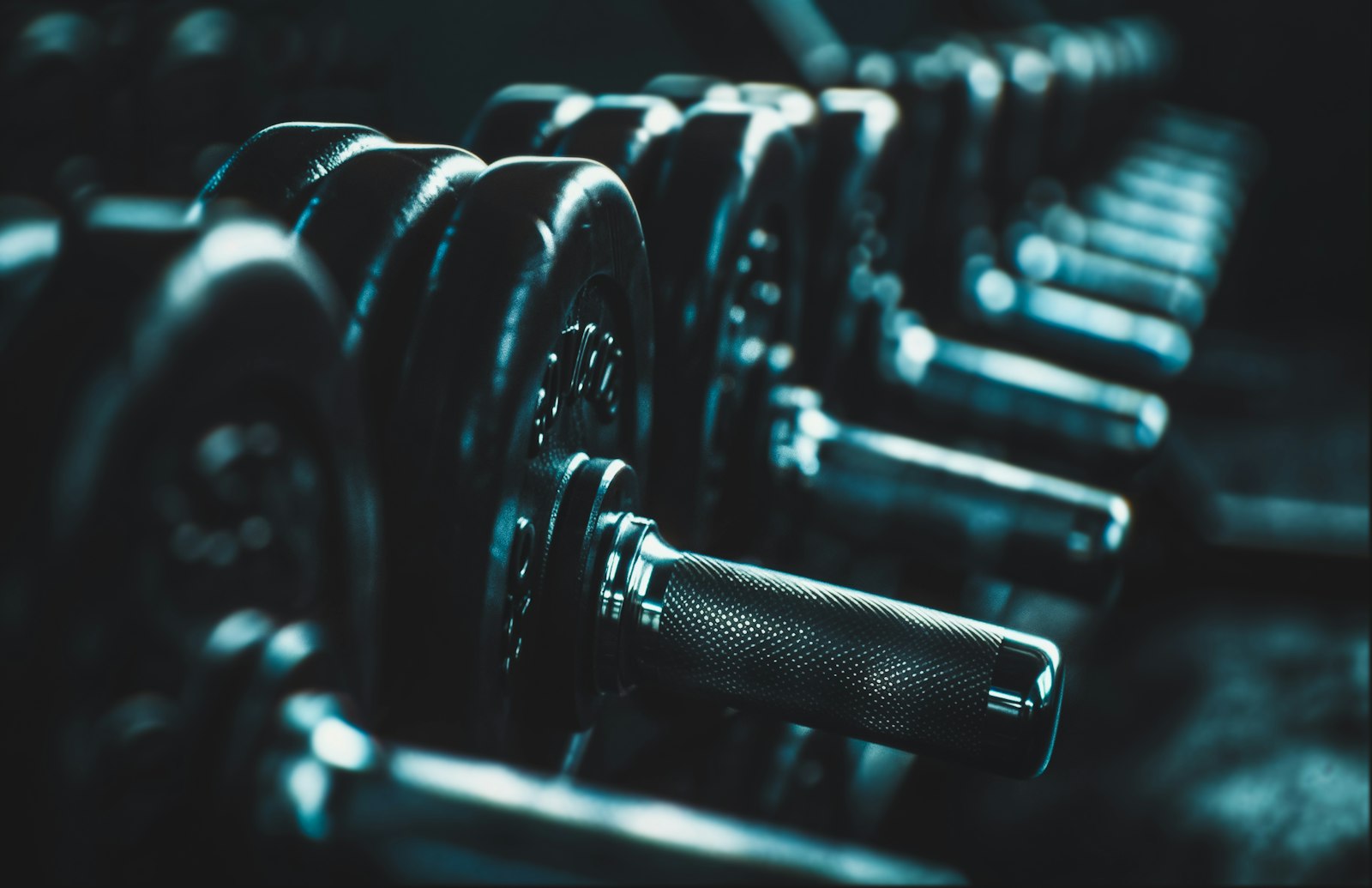
Many factors must be taken into consideration when choosing gym storage, the first being to count up all the equipment you have and estimate how much more you intend to buy.
In short: How much gym storage you need will depend on 5 key points: The amount of equipment you already own and plan to purchase in the future. The number of people that will be using the equipment. The footprint of items such as dumbbells and barbells. The frequency with which you will be training. The amount of wall space and floor space available. People training daily will find open racking to be more suitable than closed cupboards, and adding an extra tier now will prevent future upheaval when you get more equipment.
Number of Users
Photo by Jason Grant on Unsplash
One person can have a very small amount of storage for their gym equipment whereas a household of three people with different types of equipment to use will require much more storage space. Each extra person can require an extra shelf or hanging zone for items such as resistance bands and skipping ropes.
Equipment Footprint
A pair of adjustable dumbbells will normally occupy a single shelf tier. However, a fixed-weight dumbbell set covering weights from 2kg up to 40kg may require a three tier rack of approximately 1.5m wide. A barbell will require a vertical or horizontal rack to safely store it.
How Often You Train
If you use your equipment on a daily basis then you need to be able to access it easily, rather than having to hunt around for it at the back of a closed cupboard. Open racking is far better than closed storage.
Floor Space Available
Measure your walls to determine the space available for storage units. For Gym Storage, see https://uk.repfitness.com/collections/gym-storage/.
Room to Grow
Add an extra tier to your chosen gym storage now if you plan to add a barbell set or a pair of kettlebells within the year. While it may cost a little more to retro fit later, it will save a lot of shuffling around of equipment in the space you have.
A bit of planning upfront can save a lot of hassle in the long run.
Related reading: Home Sweet Gym: The Best Beginner Exercises to Start Your Fitness Journey
FAQs
Should heavy weights go on high or low shelves?
Keep the heaviest items, such as large dumbbells and weight plates, at or below waist height. Lifting heavy weights down from a high shelf is awkward and raises the risk of dropping them or straining your back, so lighter items like bands and skipping ropes belong higher up.
Do wall-mounted gym racks need special fixings?
Yes. Racks that hold barbells or plates should be fixed into masonry or timber studs with fixings rated for the load, not into plasterboard alone. If you are not sure what your wall is made of, check before drilling and follow the manufacturer’s fitting instructions.
How do I protect the floor under gym storage?
Rubber gym flooring or mats under racks protect the floor from dropped weights and stop units sliding. They also dampen noise, which matters if your gym is upstairs or in a shared building.