
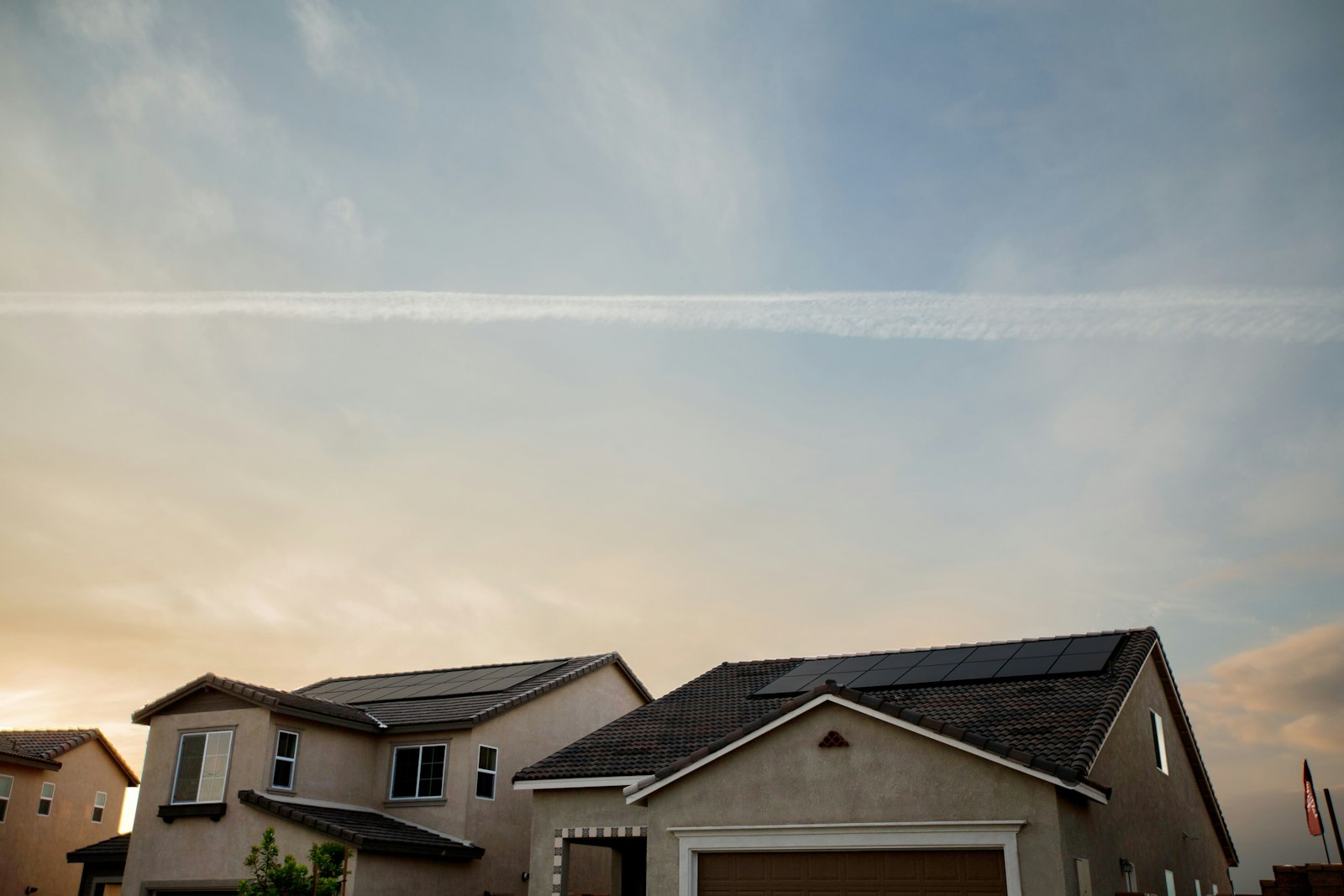
There is something satisfying about looking at your roof and knowing that it is doing more than just keeping the rain out of your house. The installation of solar panels on your roof allows your house to turn sunlight into electricity for your household.
In short: Adding solar panels is more than just another layer on your roof; it can make your home a power producer during daylight hours. You can use this power to cook, to power appliances and to charge up devices. Many people with solar power systems now time their use of appliances to get the most out of available light. A battery would allow you to store up surplus energy for later use. Solar power output reduces with cloud cover and on shorter winter days, so a solar power system needs to be designed with reference to your home, your usage and whether you have storage or not.
Using the Power You Generate

Photo by Vivint Solar on Unsplash
The difference can be surprisingly noticeable. Your solar panels can generate power during daylight hours. The energy generated can be used for various purposes such as cooking breakfast, running appliances and charging devices.
A New Way of Thinking About Energy
Another change that can happen as a result of living in a smart home is in how you think about energy. For instance, you may find yourself becoming more aware of when your appliances are running and when your home is producing electricity. You may even begin to use certain appliances at specific times of the day in order to take advantage of the solar power that your home is producing.
Adding Battery Storage
In addition to solar panels, you can also use a battery storage unit. The excess energy that is produced by the solar panels during sunny periods can be stored in the batteries for later use. For Solar Panels Bournemouth, consider https://solarpanelsdorset.co.uk/solar-panels/bournemouth
Planning Around the Seasons
The sun does not follow your schedule. The amount of sunlight that falls upon your solar panels varies throughout the year due to the presence of clouds and the changing length of the days in winter. For these reasons, it is needed to plan for your solar panels according to their size and location in your home, the amount of electricity that you use within your home and whether you have any battery storage systems installed.
The biggest change to our lives from solar panels is perhaps the most subtle of all. With solar panels, the energy that comes into our homes is no longer something that we must receive through a cable but rather something that our homes can actively produce.
Related reading: The Growth of Solar Panels in the UK
FAQs
Do solar panels work on cloudy days?
Yes, but output drops. Panels generate from daylight rather than direct sunshine alone, so they still produce some power under cloud, just much less than on a bright day. That is why yearly generation estimates matter more than a single sunny afternoon.
Can I get paid for the electricity I do not use?
In Great Britain, the Smart Export Guarantee requires larger energy suppliers to offer a tariff for electricity you export to the grid. Rates vary between suppliers, so it is worth comparing them. You will normally need a smart meter that records exports and an MCS-certified installation.
Do I need planning permission for solar panels?
Most roof-mounted panels on houses in England count as permitted development, so planning permission is not usually needed. Different rules can apply to listed buildings, flats and homes in conservation areas, so check with your local planning authority first.