

Great home care is not only about knowing what to do but also about knowing how to do it.
In short: Good home care depends as much on how tasks are done as on the tasks themselves, and so on the individual carer. He or she has to recognise the preferences of the person he or she is caring for and read signs of frustration or unusual quietness. He or she has to decide when to help and when simply to listen. By responding with patience and respect in sensitive situations he or she builds up trust with the person he or she is caring for. Good care supports people to live independently and does not take over their life.
Recognising Individual Preferences
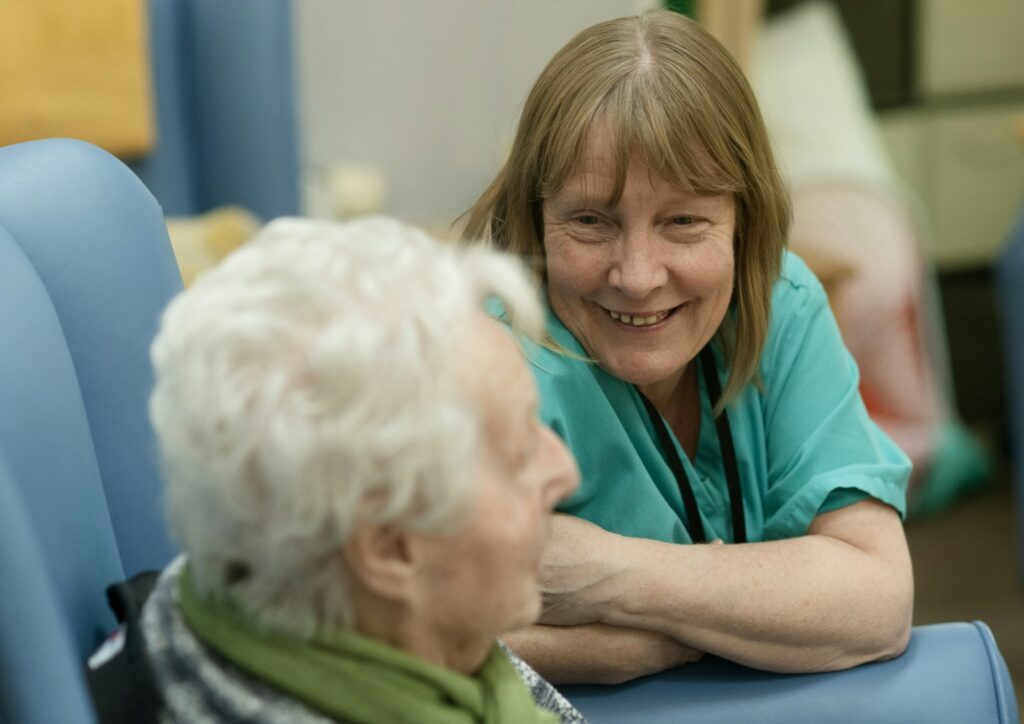
Photo by Age Cymru on Unsplash
Each individual has unique preferences for interaction with others. Some people desire to have conversations with others throughout their day, while others prefer to have some quiet time to themselves. Home care workers should learn to recognise the individual preferences of each of their clients in order to provide the best possible care for that individual.
What Emotional Intelligence Means in Care
Emotional intelligence is important in these situations.
Emotional intelligence is the ability to understand the emotions of yourself and others. For instance, if you notice that someone is being unusually quiet, it may be a sign that they are experiencing some type of emotional distress. Similarly, if you notice that someone is becoming frustrated with a task, it may show that they are struggling with the emotional aspects of the task.
Sometimes, the best response is to offer help. Sometimes, it is better to simply listen. For Home Care Gloucester, visit https://broomfieldcare.com/
Handling Sensitive Moments
In addition to providing for the physical needs of people, home care may also involve sensitive moments for those people. For example, an individual may feel embarrassed about needing assistance with a task that they were once able to perform on their own. Alternatively, they may become anxious about changes in their health or frustrated about the loss of their independence. However, responding to these feelings in a patient and respectful manner can have a huge impact upon the individual and their relationship with their caregiver.
The best care workers do not simply complete tasks. They build trust. They listen carefully to those they are caring for, communicate clearly with them and give them the dignity of making their own choices wherever possible.
Supporting Independence
There is also a balance to find in providing care. Being caring does not mean taking over the life of another individual. Great support allows the individual to remain as independent as possible while still having access to help when they need it.
Related reading: How a Carer Can Improve Your Quality of Life
FAQs
Can emotional intelligence be learned?
Yes. Skills such as active listening, noticing body language and staying calm under pressure improve with practice, feedback and reflection. Many care providers include communication and person-centred care in their training for this reason.
What is person-centred care?
Person-centred care means planning support around the individual’s own needs, wishes and routines rather than a fixed list of tasks. It treats the person as a partner in decisions about their care, reflecting the same respect for choice described in this article.
How can families tell if a carer is a good fit?
Notice how the carer talks to the person rather than just about them, whether the person is given time to make their own choices, and how relaxed they seem during and after visits. Regular conversations with the care provider about what is and is not working also help.