
Eco renovation is making changes to update and improve your home that also reduces your carbon footprint. It means that you can also reduce your energy bills and make positive changes to your lifestyle.
If you are looking into doing this, here are some of the changes that you can make to your home…
Insulation
Your insulation in your home makes a huge change to how much energy you use. If you live in an older property this is definitely something that you should do. Floor insulation, loft insulation and wall insulation are all changes that you can make to improve the EPC rating of your property and also consider replacing older doors and windows too.
Energy Sources
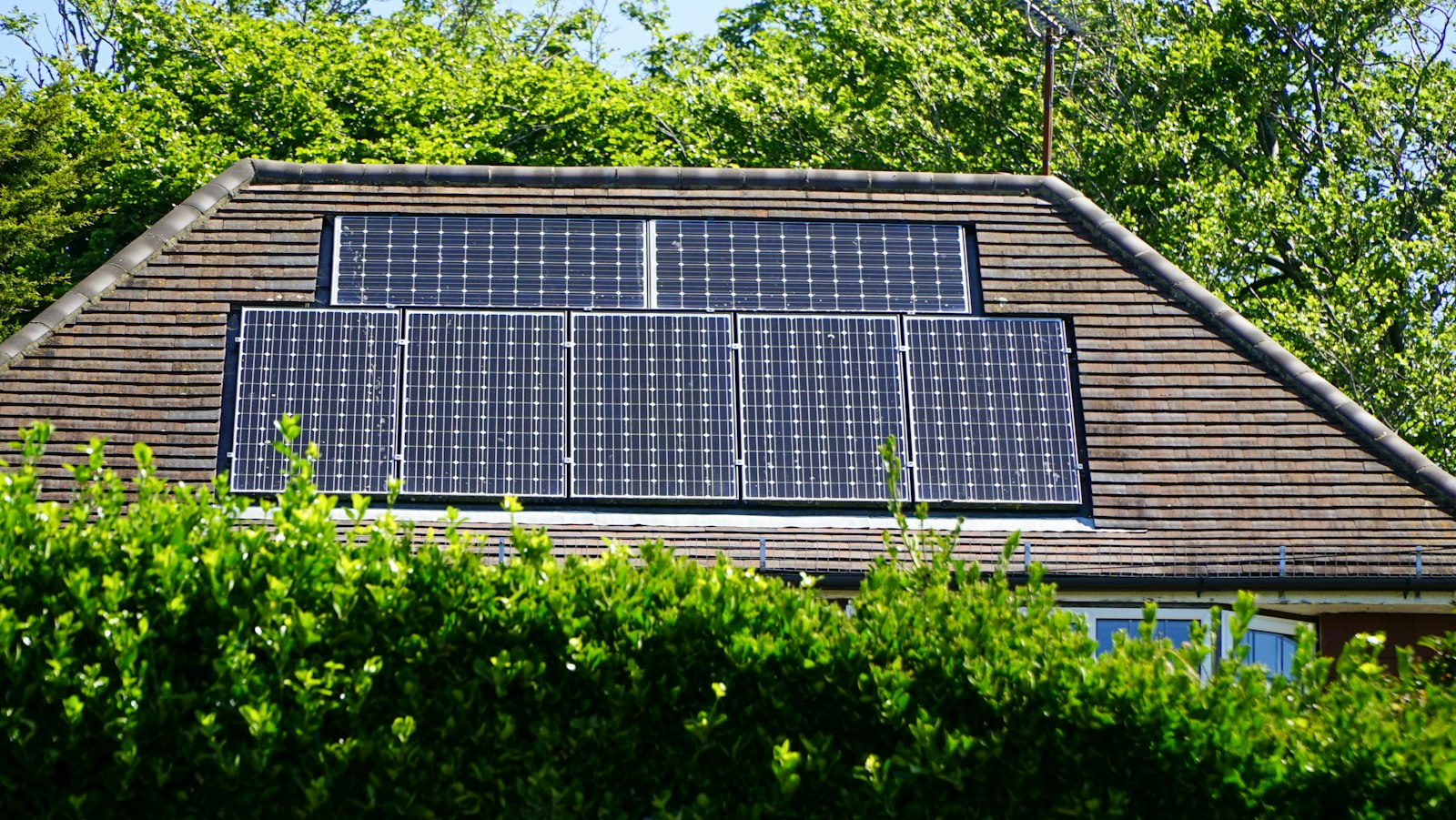
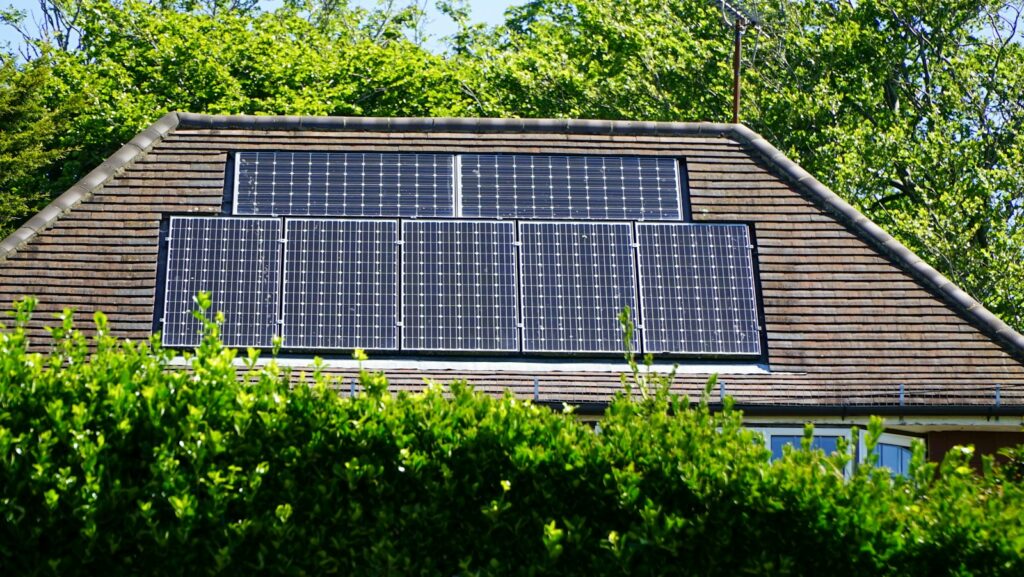
There are lots of sustainable ways that you can power your home. Solar panels are a good option for electricity – get a professional like this solar panel installation Hereford based company www.precisiongreenenergy.co.uk/renewables/solar-panel-installation/hereford/ to assess your property and install them for you.
If you have an older boiler, you can replace it with a more modern and efficient one or consider installing an air source heat pump.
Composting and Growing Your Own Food
Growing your own food means that you can have fresh produce available without it having travelled a long way and you can also be sure that it is free of pesticides and other chemicals. If you have space, set up an area in the garden to grow your own fruit and vegetables. Making your own compost is a great way to recycle – add old food waste and cardboard and then you can use it to fertilise your own vegetables!
Smaller eco changes worth making alongside a renovation
Big projects such as insulation get the attention, but everyday changes add up. A smart meter shows exactly how much gas and electricity you are using and when, which makes wasteful habits easy to spot. Swapping old bulbs for LEDs cuts lighting energy use considerably, and the bulbs last far longer.
If your renovation includes an extension, remember that extensions often lose heat faster than the rest of the house because they have more exposed walls and roof, so it pays to insulate them to a high standard from the start. Where you can, choose materials from local and sustainable sources, such as responsibly managed timber, which reduces the carbon cost of transport. Beyond the building work itself, composting food waste, planning meals to waste less, and using natural cleaning products all lower the environmental impact of running the home once the builders have gone.
Keeping your home cool as well as warm
Most homes in the UK were built to hold on to heat, which is welcome in winter but can leave rooms stiflingly hot during warm spells. Hot weather is more than uncomfortable. It puts strain on the heart and lungs, and babies, older people and anyone with heart or breathing conditions are most at risk.
The good news is that many eco improvements help in both seasons. Good loft and wall insulation slows heat coming in during summer just as it slows heat escaping in winter, which is why it is worth sorting out before thinking about air conditioning. Simple measures make a difference too. Closing blinds or curtains on sunny windows during the day, using external shading where possible, and opening windows on opposite sides of the house in the cool of the evening to create a through draught can all lower indoor temperatures. If you do want cooling, some heat pumps can also run in reverse, so a single system can heat and cool the home.